
Healthy Mouths. More Comfortable Lives.
Dental disease can cause lasting discomfort—and much of it develops where you cannot see it. Cozycroft provides thoughtful oral assessment, professional anesthetized cleanings, digital dental X-rays and treatment plans tailored to each dog or cat.
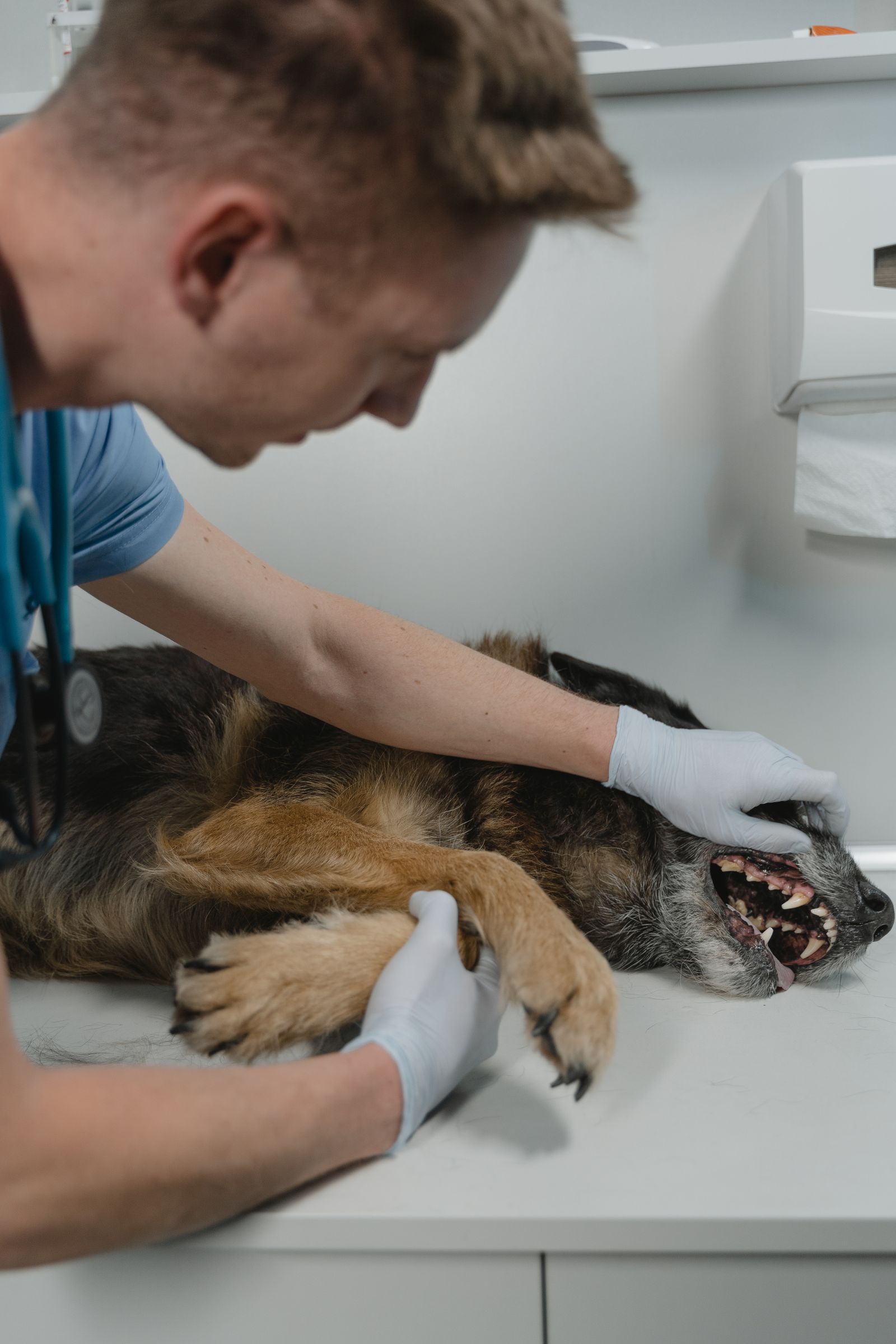
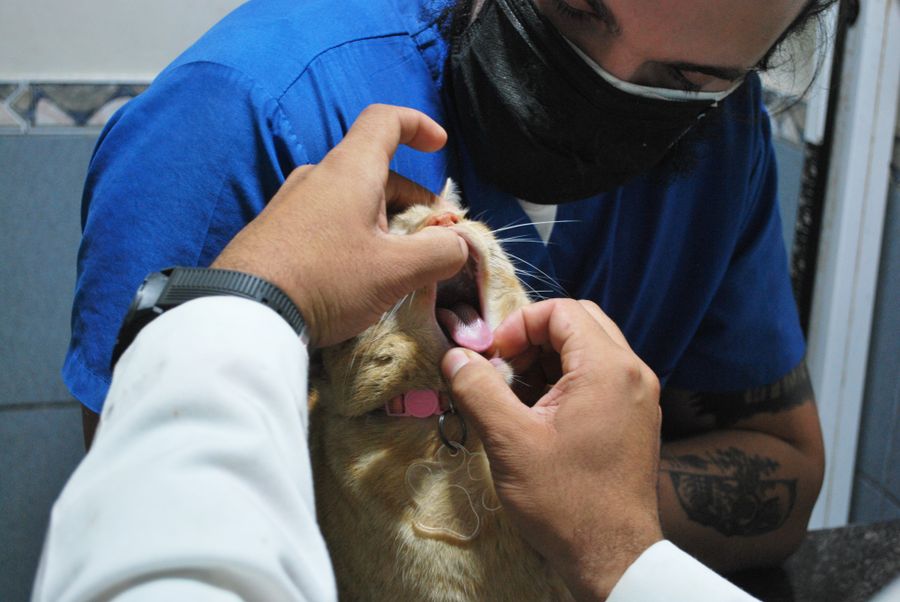
Dental pain can be easy to miss.
Dogs and cats often continue eating even when their mouths hurt. A dental evaluation is especially important if you notice any of these changes.
Persistent bad breath
Ongoing odor can be a sign of bacteria, gum inflammation or disease beneath the gumline.
Red or bleeding gums
Swelling, redness or bleeding may point to gingivitis or more advanced periodontal disease.
Visible plaque or tartar
Yellow or brown buildup is a reason to ask your veterinarian about a professional cleaning.
Changes while eating
Dropping food, chewing on one side, eating slowly or avoiding hard food may signal oral discomfort.
Pawing or rubbing the mouth
New sensitivity around the face or mouth deserves prompt attention.
Loose, broken or missing teeth
Facial swelling, damaged teeth or blood in the mouth should be evaluated as soon as possible.
What complete dental care may include.
Your pet's exact plan depends on the awake examination, pre-anesthetic assessment and findings discovered during the anesthetized oral examination and dental X-rays.
Oral assessment
The veterinarian evaluates the teeth, gums, bite and surrounding oral tissues and reviews any concerns you have noticed at home.
Digital dental X-rays
Intraoral images help reveal roots, bone and disease hidden below the gumline—areas that cannot be assessed by sight alone.
Scaling above and below the gums
Plaque and tartar are carefully removed from the visible tooth surfaces and the spaces beneath the gumline.
Polishing and charting
Teeth are polished after scaling, while periodontal probing and dental charting document important findings.
Treatment when needed
Diseased or painful teeth may require extraction or other treatment. Advanced or complex cases may be referred when appropriate.
Pain management and recovery
Comfort is planned before, during and after the procedure, followed by monitored recovery and clear discharge instructions.
A thorough dental procedure requires more than a pet can safely tolerate while awake.
General anesthesia allows the veterinary team to protect the airway, obtain diagnostic X-rays and evaluate and clean every tooth—including below the gumline—without fear, pain or sudden movement.
A clear plan from evaluation through recovery.
Every dental patient is different. We explain the recommended steps, answer your questions and keep the plan centered on your pet's medical needs.
Exam and planning
We review your pet's health, perform an oral examination and discuss the proposed dental procedure and estimate.
Pre-anesthetic assessment
Testing and an individualized anesthetic plan help the veterinary team prepare for your pet's procedure.
Dental procedure
Under anesthesia, the team performs the detailed examination, dental X-rays, cleaning, charting and indicated treatment.
Recovery and home care
Your pet is monitored during recovery, and you receive instructions for food, medications, activity and follow-up.
Important: Some dental disease becomes visible only after your pet is anesthetized and dental X-rays are reviewed. If findings change the recommended treatment, our team will follow the communication plan discussed with you before the procedure whenever possible.
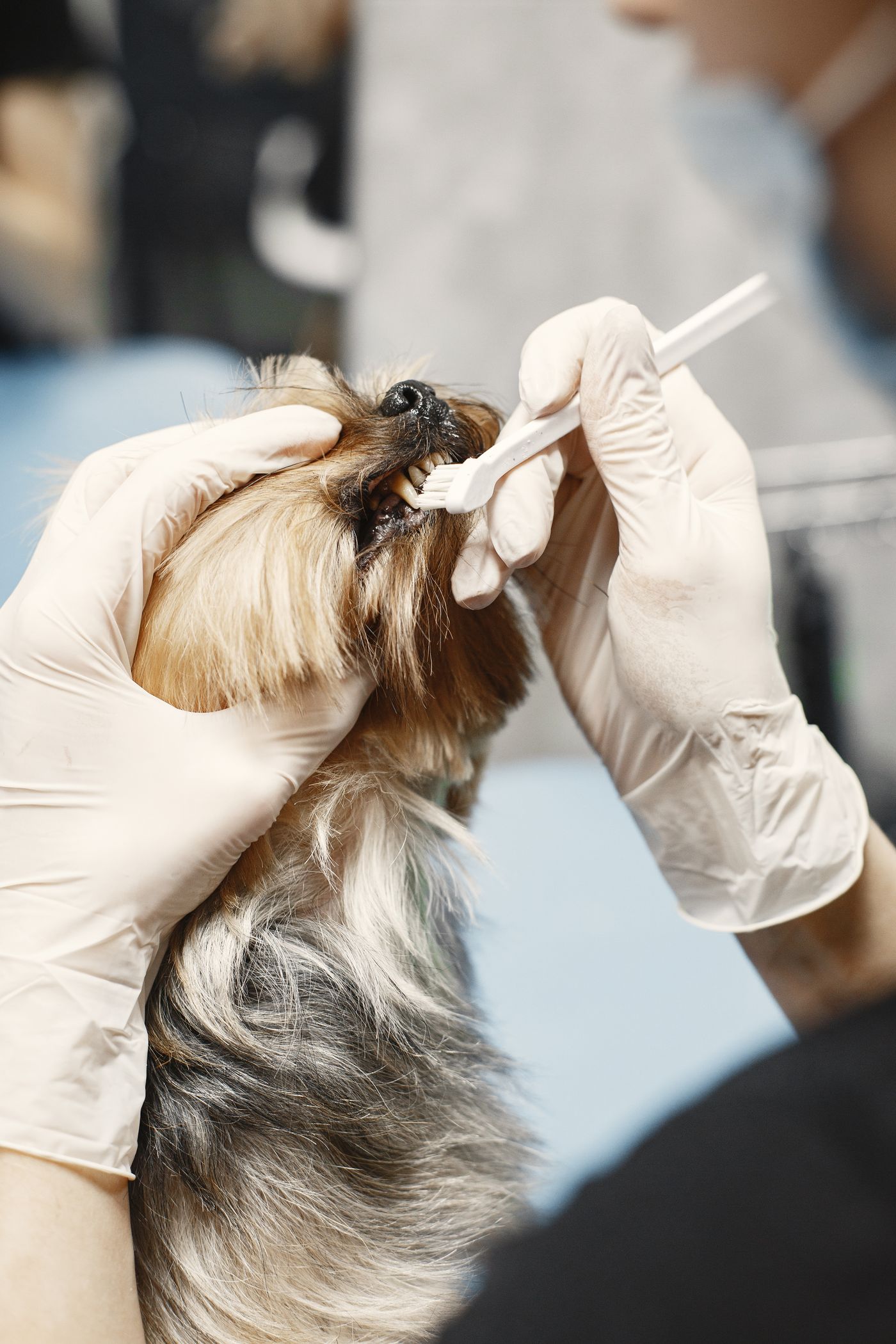
Home care helps protect the work done at the hospital.
Plaque begins to return quickly after a professional cleaning. We can help you choose a realistic routine that fits your pet's temperament and oral-health needs.
Recovery instructions are tailored to the care your pet received.
Some pets need only routine post-anesthetic monitoring, while pets with extractions or oral surgery may need medication, temporary diet changes and a follow-up examination.
Follow the medication plan
Give all prescribed medications exactly as directed, and contact us if a dose is missed or your pet seems uncomfortable.
Use the recommended diet
If extractions were performed, your instructions may include softened food and temporary limits on hard chews or toys.
Know when to call
Contact Cozycroft if you have concerns about appetite, pain, swelling, bleeding, vomiting, breathing or your pet's recovery.
Concerned about your pet's teeth or breath?
Schedule an evaluation with Cozycroft Pet Hospital. We will examine your pet's mouth, discuss the findings and recommend the next appropriate step.
Services and recommendations are based on the attending veterinarian's examination and your pet's individual medical needs.